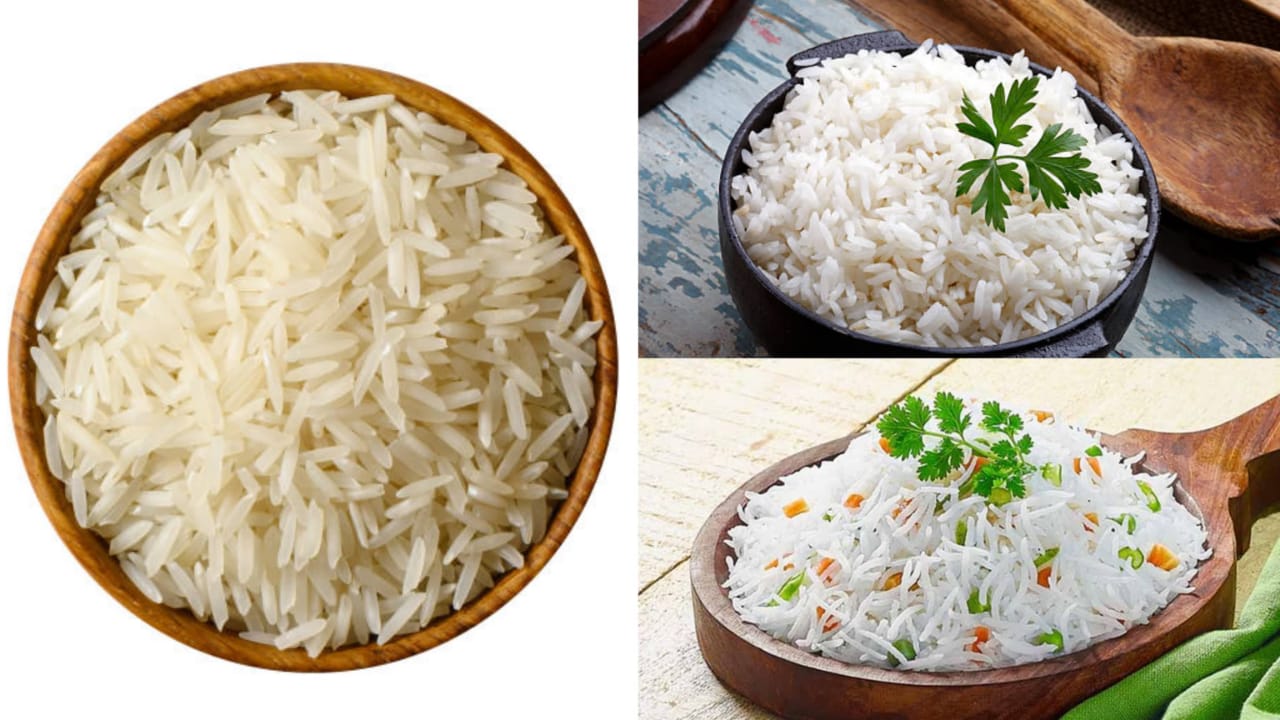
Is it possible to make incredible health changes in just 1 week by eating Red Rice, which will make your life more exciting?
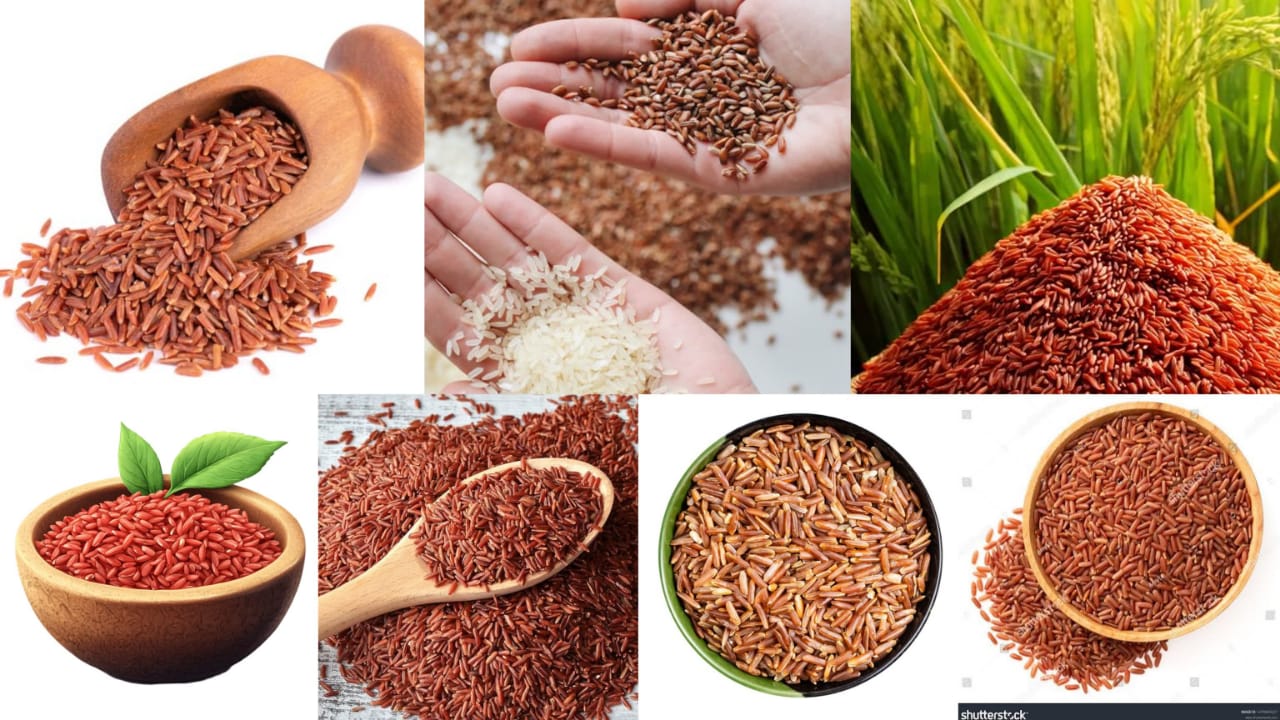
Is it possible to make incredible health changes in just 1 week by eating Red Rice, which will make your life more exciting? Red rice, known for its distinctive reddish-brown color, is not just a food grain, it is a wonderful combination of health and tradition. In the rush of popularity of white rice, we often forget about this nutritious alternative. But do you know how beneficial this red rice can be for your health? Its nutrients, antioxidants and fiber have earned it the title of a ‘superfood’. Let us know in detail about this amazing red rice, which can be a new and healthy addition to your diet. Introduction Usually, during the process of making rice from rice, the outer husk and the inner bran layer are removed, resulting in white, fluffy rice. But in the case of making red rice, only the outer hard shell is removed; its red bran layer remains intact. It is in this bran layer that its real nutritional treasure is hidden. The red color of this rice is due to a type of antioxidant called Anthocyanin, which is very beneficial for health. If we look at history, we can see that red rice has been cultivated and used for thousands of years in various countries in Asia and Africa. It is not only used to satisfy hunger, but also has special importance in various customs and cultural ceremonies. 1. Types and Cultivation of Red Rice There are different types of red rice available around the world, each with its own taste, aroma and characteristics. Some popular types are: Bhutanese Red Rice:- It is cultivated in Bhutan at the foothills of the Himalayas. Its taste is somewhat nutty and after cooking it turns pale pink in color. Thai Red Cargo Rice:- It is popular in Thailand and its grains are long and thick. Its texture remains somewhat firm even after cooking. Rakthashali/Matta Rice:- It is cultivated in Kerala, South India and is known for its distinct taste and earthy aroma. It has special medicinal importance in Ayurveda. Red Rice of Odisha:- Various varieties of indigenous red rice are cultivated in the Indian state of Odisha, which is an important part of the local diet. Cultivation:- Red rice is usually cultivated organically. It does not require much chemical fertilizers or pesticides. This rice plant is quite hardy in nature and can grow well even in adverse environments. It is cultivated in most of the lands by utilizing rainwater, which also makes it environmentally friendly. 2. Suitable Soil Alluvial or clay soil is generally best suited for red rice cultivation. Its yield is very good in soils that have high water retention capacity and good organic matter content. A soil pH level between 5.5 and 6.5 is considered ideal for this rice cultivation. The soil and climate of Indian states like West Bengal, Kerala, Karnataka, Odisha and Assam are highly suitable for growing red rice. 3. Nutritional Value and Health Aspects of Red Rice Red rice is a great source of nutrition. It can also be called a nutritional powerhouse. Let’s learn about its nutritional value and health benefits in detail. Nutritional list (approximate per 100 grams of cooked red rice): Calories:- About 110-120 kilocalories. Carbohydrates:- About 23-25 grams. Fiber:- About 1.8-2 grams (almost double that of white rice). Protein:- About 2.5-3 grams. Fat:- Less than 1 gram.Manganese:- About 20% of the daily requirement.Magnesium:- About 15% of the daily requirement.Phosphorus:- About 10% of the daily requirement.Selenium:- About 10% of the daily requirement.Zinc:- About 5-7% of the daily requirement.Iron:- About 2-4% of the daily requirement. Health Benefits: Helps in Diabetes Control:- The glycemic index (GI) of red rice is much lower than that of white rice. Foods with low GI do not cause a sudden increase in blood sugar levels, but rather provide energy gradually. As a result, it is a great option for diabetics and those at risk of diabetes. The fiber and magnesium present in it also help in increasing insulin sensitivity. Protects heart health:- The high fiber and bran oil present in red rice help in reducing bad cholesterol (LDL) in the blood and increasing good cholesterol (HDL). It also plays a role in controlling blood pressure. As a result, the risk of heart disease and stroke is reduced to a great extent. Helps in Weight Loss:- Due to the high fiber content, eating red rice keeps the stomach full for a long time. As a result, the tendency to eat repeatedly is reduced and calorie intake is controlled, which is very helpful in losing weight. Red rice can be an essential ingredient in the diet of those who are on a diet to lose weight. Antioxidant powerhouse:- Its red color comes from powerful antioxidants called anthocyanins, which are also found in apples, blueberries, or eggplants. These antioxidants protect the body’s cells from the harmful effects of free radicals, which helps prevent problems like cancer, heart disease, and premature aging. Improves bone health:- Magnesium and calcium are essential for bone formation. Red rice contains good amounts of these minerals, which help strengthen bones and reduce the risk of diseases like osteoporosis. Aids digestion:- Being high in fiber, red rice improves the digestive process and helps relieve problems like constipation. It also helps in the growth of beneficial bacteria in the gut, which is good for the overall health of the digestive system. 4. Economic importance The demand for red rice in the global market is increasing, especially among health-conscious people. Its popularity as an organic and nutritious food is also encouraging farmers to cultivate it. It can play an important role in strengthening the local economy and increasing the income of farmers. Since its cultivation uses less chemicals, it is also good for the environment and a sustainable option for long-term agriculture. 5. Culture and Tradition Red rice has a special place in many cultures. It is used as a symbol of purity in various religious festivals, pujas and social events. For example, … Read more